
Most people use zippers every single day without thinking much about them.
They appear on:
– jackets
– jeans
– backpacks
– luggage
– shoes
– tents
A quick pull of a small metal or plastic tab instantly joins or separates two pieces of material.
The mechanism seems simple today, but creating a reliable zipper took decades of experimentation, failed inventions, and engineering improvements.
What became one of the world’s most common everyday objects was once considered unreliable and difficult to use.
The zipper’s journey from awkward invention to global necessity is surprisingly fascinating.
🧵 Before the Zipper
Before zippers existed, clothing and bags relied on:
– buttons
– hooks
– clasps
– laces
– buckles
These fastening methods worked, but they could be slow and inconvenient.
As clothing styles evolved during the 19th century, inventors began searching for faster and easier ways to fasten fabric.
The challenge was creating a mechanism that was both secure and simple enough for everyday use.
⚙️ The First Attempts
One of the earliest zipper-like inventions appeared in 1851, when American inventor Elias Howe — also known for helping develop the sewing machine — patented a device called the Automatic Continuous Clothing Closure.
However, Howe never seriously marketed the invention.
Later inventors continued experimenting with similar ideas, but early designs were often complicated and unreliable.
The biggest problem was creating interlocking parts that could open and close smoothly without breaking apart.
👨🔧 The Invention That Changed Everything
A major breakthrough came in the early 20th century through inventor Gideon Sundback, a Swedish-American engineer.
Sundback redesigned earlier fasteners into a much more practical system using rows of interlocking metal teeth.
His improved design was stronger, smoother, and more reliable than previous versions.
In 1917, he patented what became the modern zipper design.
This invention finally made mass production possible.
👢 How the Name “Zipper” Appeared
Interestingly, the word “zipper” did not originally refer to the mechanism itself.
The name became popular after a company used the fastener on rubber boots in the 1920s.
The sound made when opening or closing the fastener inspired the nickname:
“zip!”
Eventually, people began using the term “zipper” for the fastening system in general.
The name stuck worldwide.
🧥 The Rise of the Modern Zipper
At first, many people were skeptical about zippers.
Buttons were familiar and trusted, while early zippers seemed unusual.
Over time, however, manufacturers realized that zippers offered major advantages:
– faster fastening
– convenience
– secure closure
– modern appearance
By the mid-20th century, zippers became common in:
– military uniforms
– children’s clothing
– luggage
– fashion products
Eventually they spread into nearly every part of everyday life.
🔍 How a Zipper Actually Works
Although simple in appearance, zippers use a clever mechanical system.
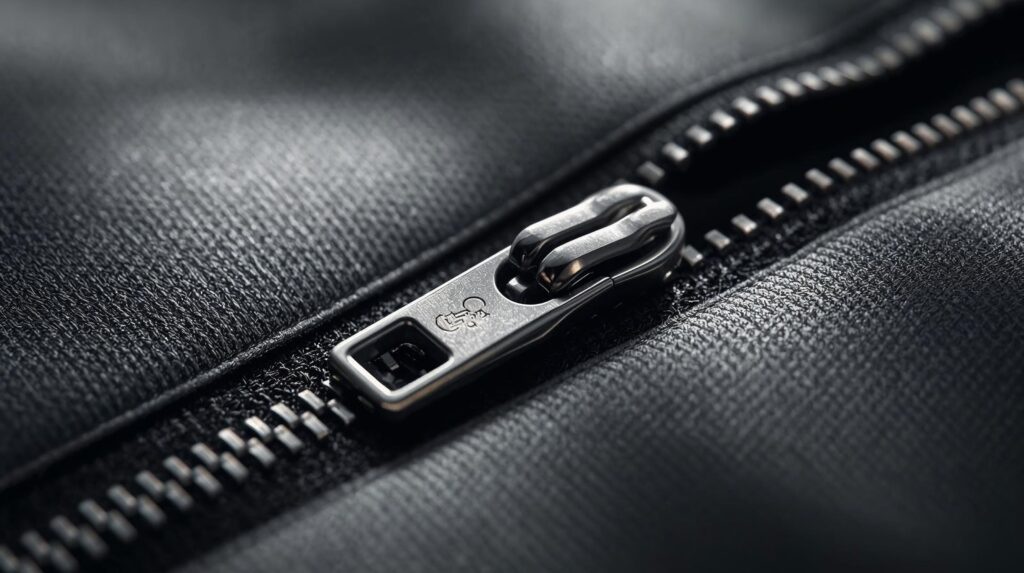
Each side of a zipper contains rows of tiny teeth.
The slider forces the teeth together in a precise pattern so they interlock securely. Moving the slider in the opposite direction separates them again.
Modern zippers are made from materials such as:
– metal
– plastic
– nylon coils
Different designs are optimized for different uses, from waterproof outdoor gear to heavy industrial equipment.
🌍 One of the Most Mass-Produced Objects on Earth
Today billions of zippers are manufactured every year.
They are used in industries ranging from:
– fashion
– sports equipment
– aviation
– camping gear
– medical products
The zipper became so successful because it solved a universal problem in an elegant and efficient way.
Few inventions combine simplicity, affordability, and usefulness so effectively.
🧠 Engineering Hidden in Plain Sight
The zipper is a perfect example of engineering that becomes invisible once it works well.
People rarely stop to admire a zipper because it feels so ordinary.
But creating a mechanism that:
– aligns perfectly
– operates smoothly
– withstands repeated use
– remains inexpensive
required decades of innovation.
The best inventions often disappear into everyday life so completely that people stop noticing them.
💡 A Small Invention with a Huge Impact
It’s easy to underestimate small objects.
Yet tiny inventions often shape human life more than giant machines or famous technologies.
The zipper changed how people dress, travel, pack, and design products.
From jackets and suitcases to astronaut suits and protective gear, this small fastening device quietly supports modern life everywhere.
A tiny invention that helped hold the world together — one tooth at a time.
Continue Exploring on Trivialwiki
If you enjoyed learning about the hidden engineering behind everyday objects, don’t miss our previous post:
👉 Singapore: How a Tiny Island Became a Global Power
Discover how a small Southeast Asian nation transformed into one of the world’s most successful global hubs.
📬 Stay Connected with Trivialwiki
Zippers became one of the world’s most useful everyday inventions — which small everyday object do you think people most take for granted? Share your thoughts in the comments! 🔎
1 thought on “Zippers: The Tiny Invention Holding Everyday Life Together”