
From the ground, it can look alarming.
A plane circling the sky. A faint mist trailing behind its wings. News headlines calling it an “emergency fuel dump.” For passengers and onlookers alike, the sight raises an immediate question: why would an airplane deliberately release fuel into the air?
The answer isn’t panic or recklessness. In fact, fuel dumping is one of aviation’s most carefully regulated safety procedures, designed to protect passengers, crew, and the aircraft itself.
And despite how dramatic it sounds, it’s far rarer—and more controlled—than most people realize.
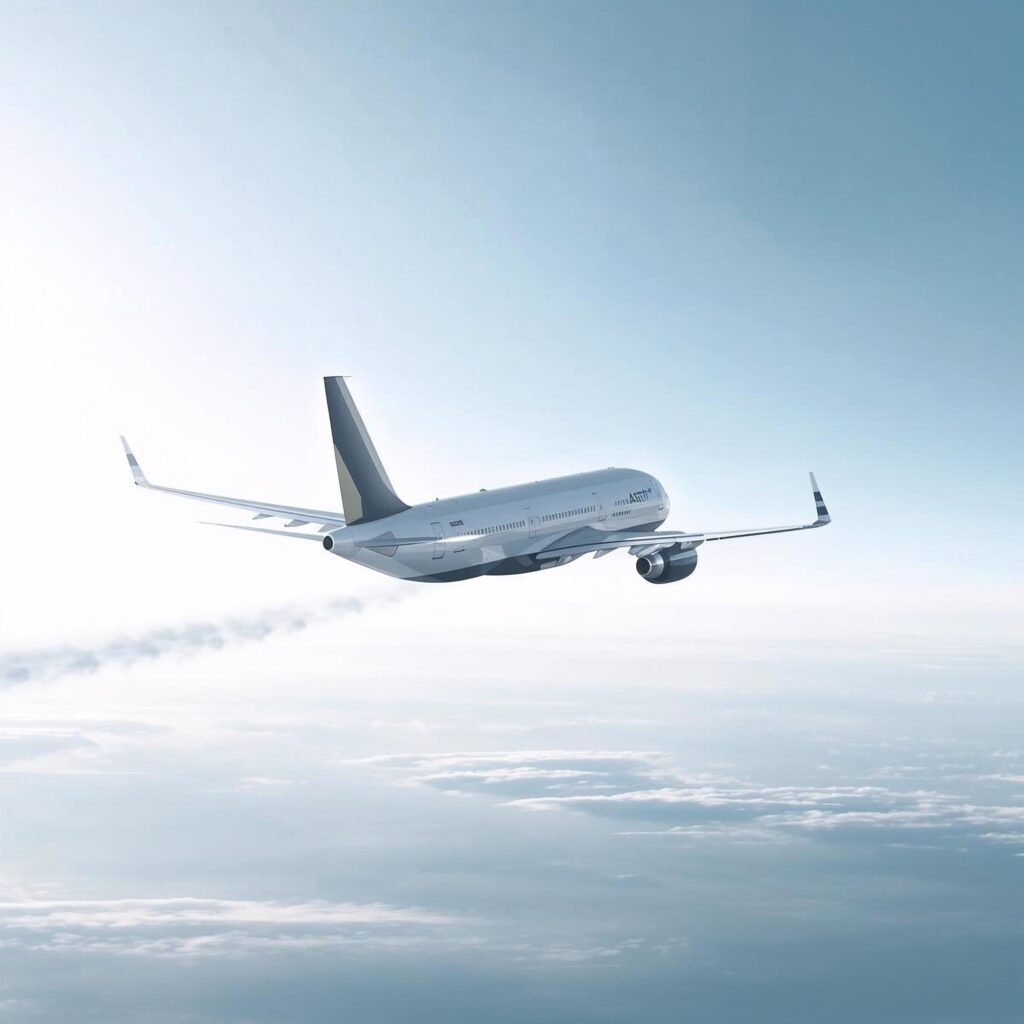
✈️ Aircraft Are Designed for Very Specific Weights
Every airplane operates within strict weight limits.
Two of the most important are:
- Maximum Takeoff Weight
- Maximum Landing Weight
While planes are built to take off carrying huge amounts of fuel for long journeys, landing safely requires much less weight. Landing too heavy places enormous stress on the landing gear, wings, and fuselage.
If everything goes as planned, this isn’t a problem—fuel is burned during the flight, reducing weight naturally.
But sometimes, plans change.
🚨 When Flights Have to Land Soon After Takeoff
Fuel dumping becomes relevant only in unusual situations.
Imagine an aircraft taking off for a long-haul flight. Minutes later, an unexpected issue occurs—perhaps a technical warning, a medical emergency, or a problem that requires inspection on the ground.
The aircraft may need to land far sooner than expected.
At that point, the plane is still heavy with fuel meant for hours of flight. Landing immediately at that weight could exceed safe structural limits.
That’s when fuel dumping becomes an option.
⛽ What Fuel Dumping Actually Means
Fuel dumping is a controlled process where excess fuel is released through special outlets, usually located near the wingtips.
It’s not a spray, and it’s not uncontrolled. The system is designed so that fuel disperses into tiny droplets that evaporate quickly at cruising altitudes.
Pilots don’t dump fuel casually. The amount released is carefully calculated to bring the aircraft down to a safe landing weight, not to empty the tanks.
Think of it as shedding just enough load to land safely—not wasting fuel unnecessarily.
🧠 Not All Planes Can Dump Fuel
Here’s a lesser-known fact: many aircraft don’t even have fuel-dumping systems.
Smaller planes and short-haul aircraft are often designed so that their maximum takeoff weight is close to their maximum landing weight. If they need to return shortly after takeoff, they can simply land safely without dumping fuel.
Fuel dumping systems are mainly found on large, long-haul aircraft, where the difference between takeoff and landing weight can be enormous.
So if you fly frequently and have never experienced fuel dumping, that’s completely normal.
🌍 What Happens to the Dumped Fuel?
This is one of the biggest public concerns—and understandably so.
Fuel dumping is done at high altitudes, where fuel evaporates rapidly before reaching the ground. Regulations require dumping to occur away from populated areas whenever possible, and air traffic control closely coordinates the process.
By the time the aircraft lands, the fuel released has typically dispersed into the atmosphere in trace amounts.
It’s not ideal, but in rare emergency scenarios, it’s considered the safest available option.
🛠️ Why Not Just Land Heavy?
You might wonder: if planes are strong enough to take off at high weight, why can’t they land the same way?
The answer lies in physics and design.
Landing creates intense forces in a very short time. A heavier aircraft needs higher speeds and longer distances to land safely. Exceeding landing limits can:
- Damage landing gear
- Stress wing structures
- Require extensive inspections afterward
- Compromise safety margins
In emergencies, safety isn’t about what’s possible—it’s about what’s predictably safe.
🧑✈️ Fuel Dumping Is Rare—and Heavily Regulated
Despite how dramatic it sounds, fuel dumping is extremely uncommon.
Pilots and airlines avoid it whenever possible because:
- It costs fuel and money
- It adds operational complexity
- It attracts public attention
In many cases, pilots will simply circle the airport to burn fuel naturally if time allows. Dumping is used only when landing quickly is necessary.
Every fuel dump follows strict procedures and regulations, often monitored by air traffic controllers and aviation authorities.
🔍 Passengers Usually Don’t Notice It
Most passengers never realize fuel dumping has occurred.
There’s no sudden jolt. No cabin announcement about dumping fuel. From inside the plane, it feels like routine holding or circling.
The goal is calm, controlled, and uneventful.
In aviation, the best emergency is the one passengers barely notice.
✨ A Reminder of How Conservative Aviation Safety Is
Fuel dumping highlights something important about aviation: safety margins are deliberately conservative.
Planes are not pushed to their absolute limits. Procedures exist not because disasters are common—but because they must never be.
A rare, carefully controlled action like fuel dumping exists to ensure that even unexpected situations end with a routine landing.
It’s one more example of how aviation prioritizes prevention over heroics.
Continue Exploring on Trivialwiki
If you enjoyed uncovering the logic behind this rarely noticed aviation practice, don’t miss our previous post:
👉 The Doomsday Clock: How Close Humanity Is to Self-Destruction
A powerful look at how scientists measure global risk—and what our choices say about the future.
📬 Stay Connected with Trivialwiki
–––––––––––––––––––––––––––––
👉 Facebook: https://facebook.com/Trivialwiki
👉 Instagram: https://instagram.com/trivialwiki
👉 YouTube: https://youtube.com/@trivialwiki
👉 Pinterest: https://pinterest.com/Trivialwiki
Learn. Explore. Discover.
–––––––––––––––––––––––––––––
Fuel dumping looks dramatic from the ground, but it’s built on caution, not panic — what other aviation practices do you think seem strange until you understand the reason behind them?
Share your thoughts in the comments and let curiosity take flight. ✈️
1 thought on “Airplane Fuel Dumping: The Safety Procedure Most Passengers Never Notice”